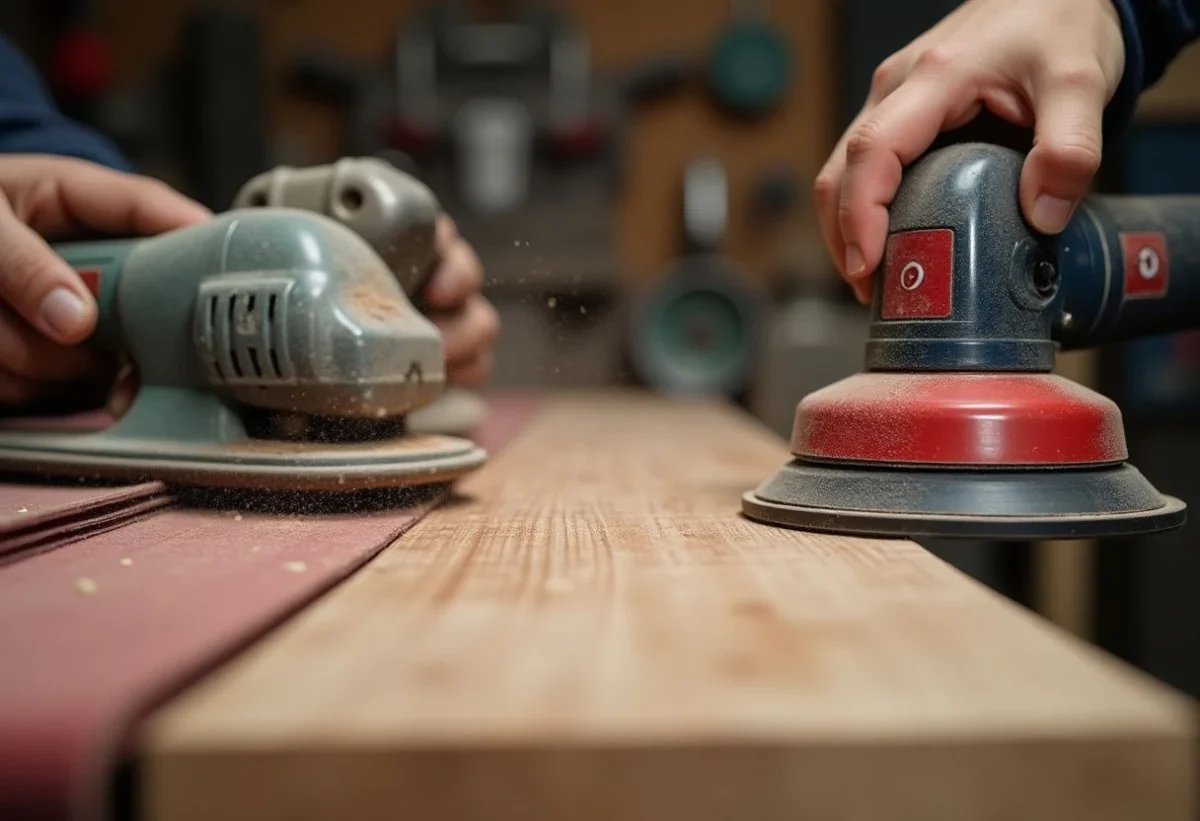
The abrasive belt, often overlooked in the DIY tool arsenal, is nonetheless essential for many tasks. Whether you are a seasoned professional or a passionate amateur, this versatile tool offers undeniable benefits for successfully completing your renovation and creation projects. It comes in a multitude of shapes and materials, catering to various needs ranging from simple surface sanding to complex polishing of robust materials.
The different types of abrasive belts
The diversity of abrasive belts available on the market can meet a multitude of needs, each type being designed for a specific application. Understanding these differences is essential for selecting the right tool for your task.
- Aluminum abrasive belts: They are ideal for versatile use, often employed for sanding wood and soft materials.
- Silicon carbide-based belts: Known for their toughness, they are suitable for working on hard surfaces like glass or ceramics.
- Those made of ceramic aluminum oxide: Perfect for metals, they offer increased durability and a longer lifespan.
Each type of abrasive belt has characteristics that affect the quality of your work, and familiarizing yourself with these specifics can make all the difference.
How to choose the right abrasive belt for your project
Choosing the appropriate abrasive belt is a crucial step that determines the success of your project. Several criteria must be considered to make the optimal choice.
Start by defining the type of material you will be working on. Wood, metal, plastic, or glass require different belts. The next step is to assess the necessary grit size. A coarse grit belt is suitable for rough sanding, while fine grits are preferred for careful finishing. Finally, the size and shape of the belt must match your sander to ensure efficiency and comfort of use. By taking these elements into account, you ensure a result that meets your expectations.
The practical applications of the abrasive belt
The abrasive belt stands out for its multitude of uses in various fields, from home DIY to industrial applications. Each application requires a specific approach to maximize the belt’s performance.
- Sanding furniture: Used to smooth wood and eliminate imperfections, it prepares the surface for a flawless finish. Discover how to effectively use an abrasive belt to renovate a wooden piece of furniture.
- Polishing metals: Fine-grit abrasive belts can transform a raw metal surface into a shiny, smooth finish.
- Bodywork tasks: In automotive repair, they are used to prepare surfaces before painting for optimal adhesion.
Each project imposes its own requirements in terms of abrasive belts, and knowing how to adapt them to your goals is the key to successful work.
Maintenance and storage of abrasive belts
Ensuring the longevity and performance of abrasive belts largely depends on their proper maintenance. Negligent use can quickly render them ineffective.
Store them in a dry place to avoid any deterioration due to humidity. Regularly clean the belts to remove material residues that can embed, harming their effectiveness.
When the belts show signs of excessive wear, do not hesitate to replace them to maintain the quality of your work. Proper maintenance not only ensures optimal performance but also extends their lifespan.