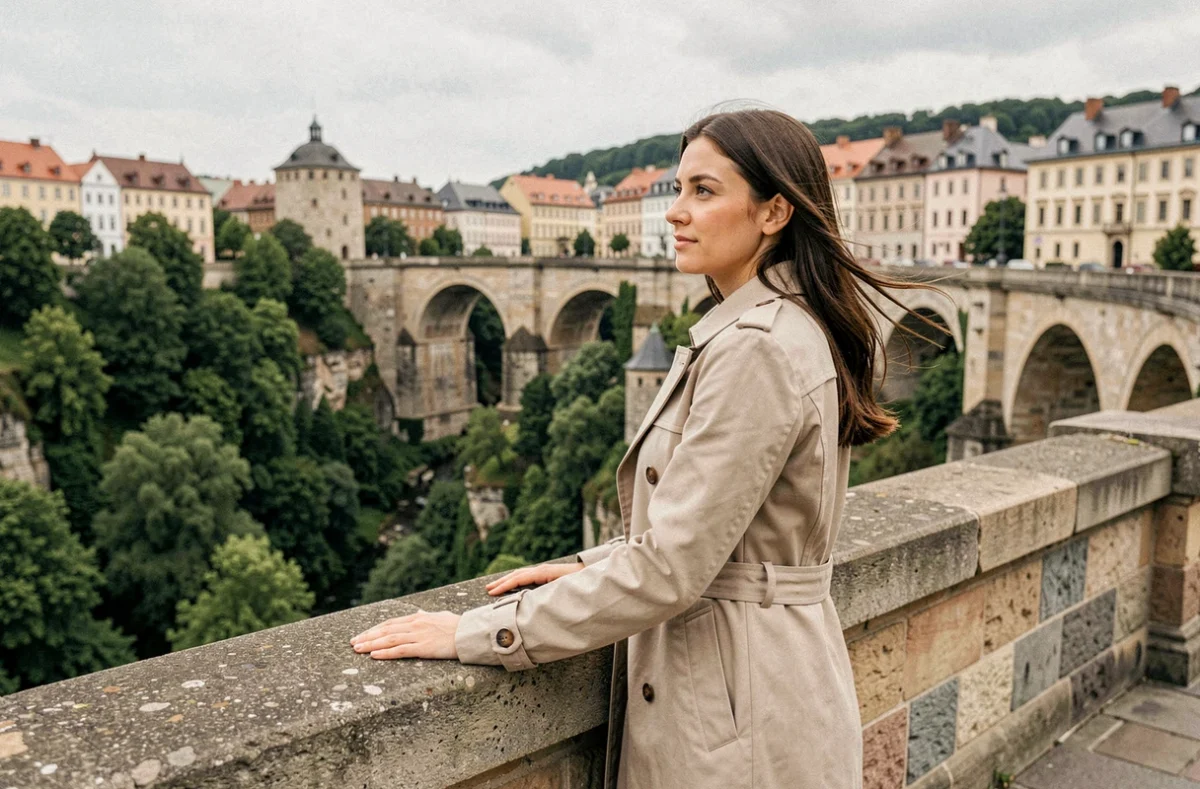
Getting to Luxembourg City by train from Paris, Brussels or Metz takes less than half a day. Once there, the first surprise is a practical one: public transport is free across the entire national network, including buses, trams and second-class trains.
Put away your bank card, hop on the tram and start exploring. This free travel changes the way you plan a stay in Luxembourg, making it easy to venture beyond the capital without renting a car.
Free transport in Luxembourg: what the free travel scheme really covers
There’s one limit to the nationwide free travel scheme that many visitors discover only after arriving: it doesn’t apply to first class on CFL trains. Board the wrong carriage and the ticket inspector will ask to see your ticket. For cross-border journeys, free travel ends at the Luxembourg border. A trip from Metz to Luxembourg or Liège to Luxembourg is still partly paid for on the foreign section of the route.
Another thing to check before heading out on a day trip: train frequency varies by line and day. Since the timetable change on 14 December 2025, CFL has increased weekend services on the Luxembourg–Troisvierges line, making it easier to reach the north of the country.
On other rural lines, connections are still less frequent. Check CFL timetables on the day before setting off for a castle or hiking trail to avoid being stuck at a station for an hour.
You can plan an entire stay without a car, as long as you’re prepared to do a little planning for some stops. The resources available at travelguide.lu can help you put together an itinerary that works with the rail network and regional bus routes.
Mullerthal Trail: planning a hike in Luxembourg’s Little Switzerland
The Mullerthal region is home to some of the country’s most spectacular scenery. Sandstone formations, narrow gorges and wooden footbridges over streams create a landscape that feels more like a Scandinavian forest than Western Europe.
The main Mullerthal Trail is divided into several waymarked sections. The most photographed spot is still the Schiessentümpel waterfall, a short walk from a car park or bus stop. But the less-traveled sections offer a more immersive experience in the gorges, with stretches where you’ll barely see another hiker on a weekday.
Getting there and practical considerations
From Luxembourg City, take a train and then a bus to Echternach, the gateway to the region. The journey takes about an hour. The trails aren’t particularly challenging, but some rocky sections call for shoes with good grip, especially after rain. Allow at least half a day for one section, or a full day to tackle two.
Castles in Luxembourg: Vianden, Beaufort and beyond
Vianden Castle overlooks the Our Valley from a wooded ridge. It’s the country’s most visited medieval site, and for good reason: the restoration is meticulous, the furnished rooms offer a glimpse into aristocratic life, and the views from the ramparts take in the entire valley.
Beaufort Castle offers a different experience. The open-air ruins are free to explore and have a more rugged atmosphere. The contrast between the adjacent Renaissance castle, which is better preserved, and the medieval remains tells the story of two distinct eras at the same site.
- Vianden is accessible by bus from Ettelbruck (with a train connection from the capital), and the total journey takes about an hour and a half.
- Beaufort pairs well with a hike in the Mullerthal, as the two areas are close to each other.
- Bourscheid Castle, perched above the Sûre, draws fewer visitors and offers sweeping views of the hills of the Luxembourg Ardennes.
Visiting two castles in one day is doable by car. By public transport, it’s better to focus on one site and enjoy the journey through the villages along the way.
Luxembourg City: neighborhoods that change how you see the country
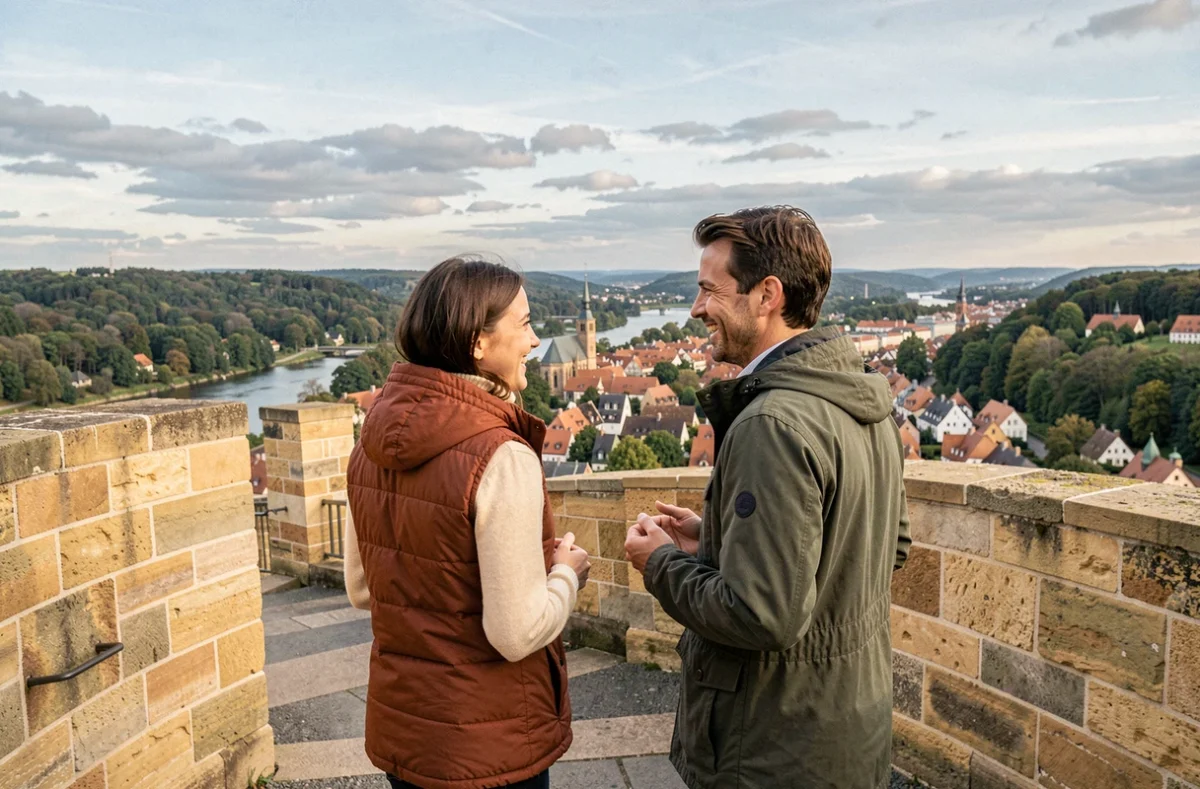
Most guides start with the Chemin de la Corniche, nicknamed Europe’s most beautiful balcony. The view of the Grund district below is indeed striking. But it’s when you head down into the Grund itself that you begin to understand the capital’s distinctive layout: a city built across several geological levels, connected by elevators, stairways and bridges.
The Pfaffenthal district, accessible by a free panoramic elevator, offers a different perspective on the upper town. In just a few minutes, you go from an urban plateau to a green valley crossed by the Alzette. This vertical landscape makes Luxembourg City more rewarding to explore on foot than its size might suggest.
Bock Casemates and the Old Town
The Bock Casemates are a network of underground galleries carved into the rock and listed as a UNESCO World Heritage Site. The tour takes about 30 minutes and leads to openings overlooking the valley. The Grand Ducal Palace in the upper town offers guided tours in summer. Outside that season, you can only admire it from the outside, but the surrounding district is also home to some of the best places to sample local specialties.
- Kniddelen (Luxembourgish dumplings) are served at most restaurants in the historic center.
- Luxembourg Riesling, produced in the Moselle Valley in the east of the country, pairs well with a meal on the terrace at Place Guillaume II.
- Gromperekichelcher (potato pancakes) make a great snack at markets and local festivals.
A stay in Luxembourg revolves around these contrasts: a compact yet vertical capital, wild nature less than an hour away by train, and medieval heritage scattered across accessible valleys. The country rewards those who take the time to venture beyond the obvious routes and let the train timetable set the pace for the day.