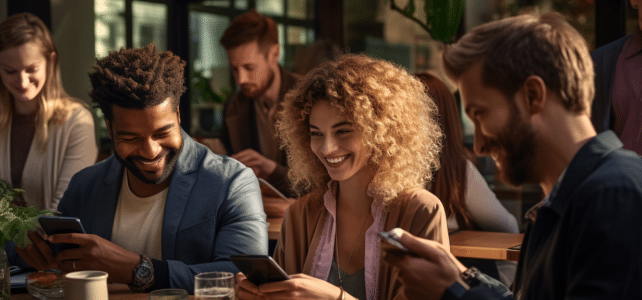
Social media has woven itself into the fabric of our daily lives, becoming essential communication tools. They reshape our interactions, our access to information, and influence our perception of the world. On one hand, they promote the sharing of ideas, mutual assistance, and collective emulation, while providing platforms for personal expression and creativity. On the other hand, they can lead to addiction, social pressure, and the spread of false news. These platforms also influence self-esteem and alter our relational patterns, raising significant questions about their impact on mental health and social cohesion.
The impact of social media on modern society
The incursion of social media into the fabric of modern society is undeniable. These platforms, which were initially spaces for sharing and communication, have transformed into arenas where complex dynamics play out, influencing mental health, the quality of sleep, and the overall well-being of users. Let’s take a closer look at cyberbullying, a dark issue of social networks. Not only does it have a profound impact on victims, but it also raises questions about the responsibility of platforms in preventing such behaviors.
The impact of social networks on our daily lives takes various forms. While some individuals find in these spaces a place for expression and growth, others encounter obstacles to their psychological balance. Cyberbullying, in particular, affects a growing number of users, often young, who find themselves exposed to cruelty amplified by the anonymity and virality of the web. This necessitates heightened vigilance from both the platforms and the users themselves to detect and counter these harmful behaviors.
Studies highlight the effects of social media on mental health. The intensive use of these tools can lead to feelings of inadequacy, exacerbated by constant comparison with an often idealized reality. The impact on sleep is also concerning, with many users sacrificing hours of rest to browse these platforms, thereby affecting their daytime performance and long-term health.
You must question the measures taken by social networks to counter these harmful effects. Implementing reporting systems, digital education, and promoting responsible usage are avenues to explore. Users, for their part, can actively engage in creating a healthy online environment by being vigilant and supporting those facing cyberbullying. Responsibility is shared: platforms must provide a safe framework, and users must engage with it consciously.

Social media: a double-edged sword in our daily lives
Social media, true modern salons, offer unprecedented opportunities for communication and information. Users benefit from instant access to a multitude of content, ranging from global news to personal stories, shared in the form of photos and videos. This ease of social interaction represents an undeniable advantage, strengthening bonds between individuals and allowing them to overcome geographical barriers.
The downsides of social media cannot be overlooked. The negative impacts on mental health and sleep constitute a dark side of this technological coin. Prolonged and unregulated use can lead to disorders such as anxiety, depression, and insomnia, resulting from information overload and constant social pressure. The risk of cyberbullying adds an additional layer of vulnerability, particularly among young users.
In light of this, the question of balance between benefits and harms becomes fundamental. Users must exercise discernment in their use of social networks, paying attention to the quality of their time spent online and its impact on their daily lives. Platforms, for their part, are called to intensify their efforts to create a more secure environment, where information and communication can thrive while minimizing the inherent risks of these powerful social tools.