
From a dermatological perspective, blood-filled pimples, although less common than blackheads or pus-filled spots, are a problem that deserves our attention. These skin conditions, uncomfortable and sometimes painful, can result from various factors, ranging from acne to a more serious skin disease. Understanding the deeply rooted causes of these pimples can help prevent their appearance. With the array of treatments available, it is essential to discern which ones are the most effective. By delving into the exploration of these two aspects, we can hope to provide answers to those facing this skin discomfort.
Origins of Blood-Filled Pimples: A More Common Issue Than You Think
Blood-filled pimples, also known as hemangiomas, are skin lesions that form when the blood vessels located near the surface of the skin become dilated and cause a blood accumulation. There are different forms of these blood-filled pimples, each with its own characteristics. The most common is the flat angioma, which usually appears at birth or during childhood. It has a bright red color and can be flat or slightly raised.
Another common type is the cavernous angioma, which develops in the deeply rooted layers of the skin. These pimples can take on a bluish or purplish hue and tend to be larger than flat angiomas.
There are also star angiomas, recognizable by their distinctive star-shaped appearance. They are often located on the face and can bleed easily when subjected to minor trauma.
Then there are hereditary hemorrhagic telangiectasias (HHT), also known as Rendu-Osler-Weber disease. This rare genetic condition leads to abnormal vasodilation of the blood vessels throughout the body and can cause recurrent episodes of nosebleeds as well as blood-filled pimples on the skin.
Understanding these different types is essential for determining the best possible treatment for each specific case. It is important to consult a dermatologist or a vascular disease specialist to assess the severity of these pimples and decide on the appropriate treatment.
Treatment options include laser therapy, which can be used to selectively target the blood vessels responsible for the formation of blood-filled pimples, thereby reducing their appearance. In more severe cases, surgical intervention may be necessary to remove large or deep angiomas.
Regarding preventive advice, it is difficult to completely avoid the appearance of blood-filled pimples as they can result from genetic factors.
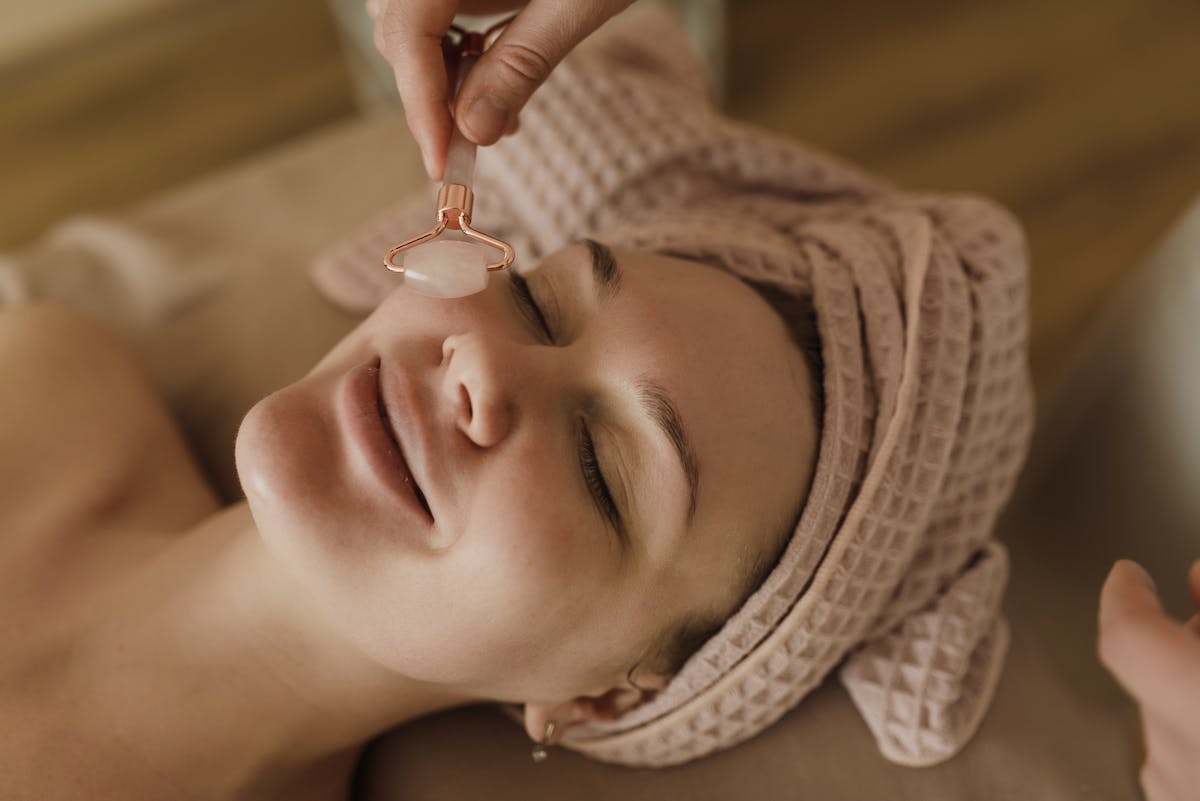
Blood-Filled Pimples: Understanding the Different Forms of These Skin Lesions
Consider using a high protection to shield the skin from the harmful effects of the sun.
Some topical products can also be used to treat these skin lesions. For example, certain gels or creams containing anti-inflammatory components such as retinol or salicylic acid can help reduce inflammation and the size of blood-filled pimples. These products should be applied regularly to the affected areas after gently cleansing the skin.
In more severe cases where blood-filled pimples cause significant discomfort or significantly alter physical appearance, resorting to a medical intervention may be considered. Cryotherapy, which involves freezing the blood vessels responsible for the angiomas using liquid nitrogen, can be used in the treatment of these skin conditions.
Another therapeutic option that may yield promising results is sclerotherapy. This involves injecting a chemical solution directly into each angioma to cause its closure and absorption by the body. For this precise procedure, we strongly recommend consulting a specialized dermatologist.
It is important to emphasize that each case of blood-filled pimples is unique and requires an individualized approach. Be sure to seek appropriate medical advice before deciding on a treatment plan.
Blood-filled pimples can be a source of physical and emotional discomfort for those who suffer from them. Thanks to advances in the medical field and the various therapeutic options available, effective solutions exist to treat these skin lesions. By consulting a qualified professional and adopting certain precautions such as adequate sun protection, it is possible to significantly improve the appearance of blood-filled pimples while preserving the overall health of the skin.
Blood-Filled Pimples: Effective Solutions for Elimination
To prevent the appearance of blood-filled pimples, be sure to care for your skin according to your skin type. Here are some preventive tips to maintain healthy skin and reduce the risk of skin conditions:
Maintain good hygiene: Regularly cleanse your face with a gentle cleanser suitable for your skin type. Avoid overly aggressive products that can disrupt the skin’s natural balance.
Stay adequately hydrated: Proper hydration is essential for maintaining skin health and elasticity. Choose a non-comedogenic moisturizer that won’t clog your pores.
Protect yourself from the sun: Excessive sun exposure can damage the skin and promote the development of blood-filled pimples. Use a broad-spectrum sunscreen with a high SPF, even on cloudy days or in winter.
Adopt a balanced diet: A diet rich in fruits, vegetables, whole grains, and lean proteins helps maintain overall body health, including skin health. Avoid fatty, sugary, or processed foods that can promote skin inflammation.
Limit stress: Chronic stress can negatively affect our overall health, including our skin. Take time to relax and engage in activities that soothe you, such as yoga, meditation, or walking outdoors.
Avoid touching your face: Our hands often carry bacteria and impurities that can clog our pores and cause blood-filled pimples. Therefore, avoid touching your face with dirty hands.
Choose non-comedogenic products: Opt for cosmetic products specifically formulated not to clog pores (non-comedogenic). Read labels carefully before purchasing a product and prefer those with natural ingredients.
By following these simple preventive tips, you can help maintain healthy skin and reduce the risk of blood-filled pimples. Remember that each person is unique, and consider consulting a specialized dermatologist if you encounter persistent skin issues to obtain treatment tailored to your specific situation.
Avoiding Blood-Filled Pimples: Tips for Healthy, Flawless Skin
When blood-filled pimples appear despite all preventive measures, you need to address this dermatological issue:
Consult a dermatologist: The opinion of a skin professional is essential to assess the severity of your condition and determine the best treatment plan. A dermatologist will be able to identify the underlying cause of the blood-filled pimples and recommend appropriate treatments.
Use specific products: Certain topical products can help reduce inflammation and diminish the appearance of blood-filled pimples. Look for those containing ingredients such as benzoyl peroxide, salicylic acid, or retinol, known for their anti-acne properties.
Avoid excessive manipulation: It may be tempting to pop or squeeze these pimples, but this will only worsen the inflammation and increase the risk of infection. Instead, try using an acne patch specifically designed to gently extract the contents of the pimple without causing further skin damage.
Opt for professional treatments: In more severe cases, your dermatologist may recommend clinical options such as laser therapy, microdermabrasion, or chemical peels to effectively treat your blood-filled pimples.
Take care of your diet: Certain foods may be associated with increased inflammation, which can exacerbate skin issues. Avoid foods high in sugar, saturated fats, and processed dairy products. Instead, focus on a diet rich in antioxidants, such as fresh fruits and vegetables.
Adopt healthy lifestyle habits: Sufficient sleep, regular physical exercise, and stress management are all important factors for maintaining healthy skin. Take care of yourself overall to promote the proper functioning of your body and thus limit the risks of dermatological conditions.
Remember that each person is unique, and some methods may suit your specific situation better. Therefore, it is crucial to consult a qualified professional before starting any treatment to avoid any adverse reactions or unnecessary complications.
By following these wise tips, you can hope to effectively reduce your blood-filled pimples and achieve healthier, more radiant skin.