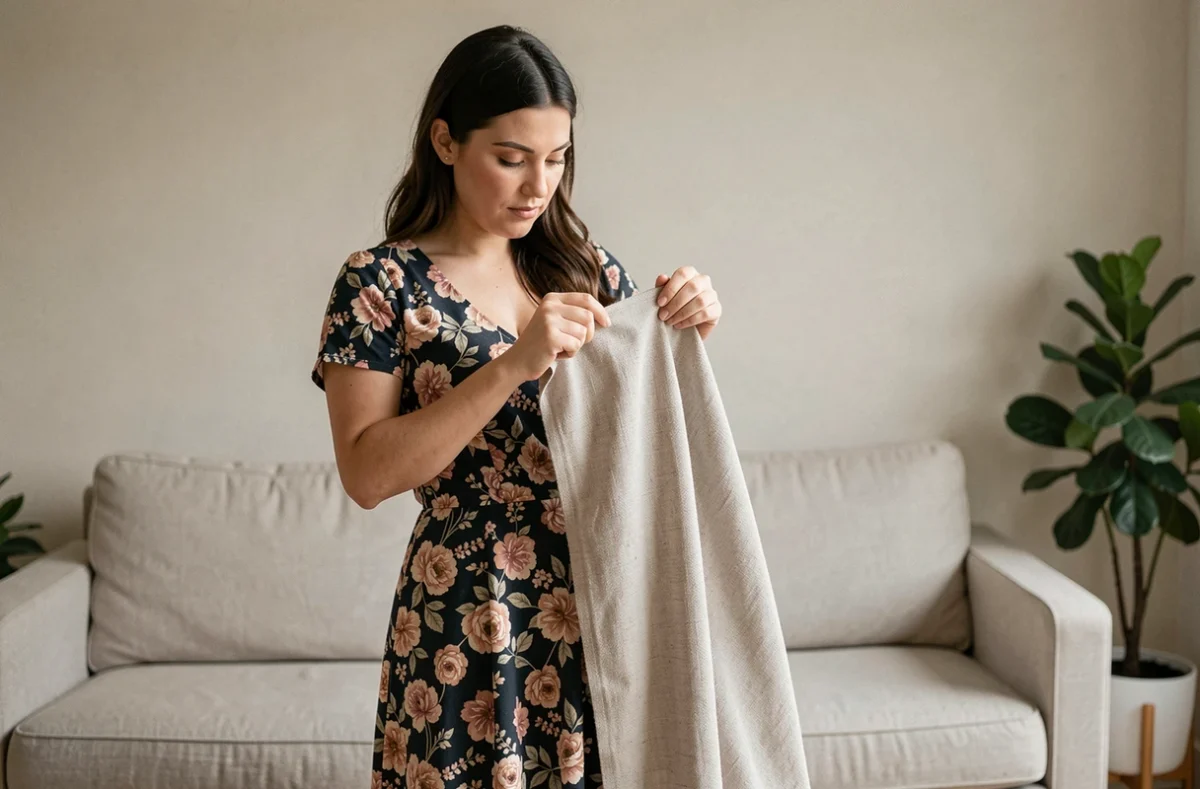
Noracora, a fast-fashion brand founded in 2018 and owned by CHICV International Holding Limited, sells low-priced women’s clothing made in China online. Review platforms show low ratings, and most published reviews focus on delivery, discrepancies between product photos and the items received, or difficulties getting refunds. How well the clothes hold up after several months of regular wear and washing, however, is largely absent from the available reviews.
Noracora clothing durability: a blind spot in online reviews
Looking through customer reviews of Noracora, one thing becomes clear: almost all the feedback concerns the moment the parcel arrives or the return process. Ratings on review platforms reflect a first impression, not long-term use.
The available reviews do not provide a year-long record of wear. Results compiled by review sites do not distinguish between immediate feedback (appearance, sizing accuracy, delivery time) and reviews written after several months of washing and wear. No published data documents the condition of a Noracora garment after one year.
Noracora itself offers neither a durability guarantee nor a technical sheet detailing the fabric composition in a way that would help predict how garments will behave in the wash. While some brands provide information on fabric weight, pilling resistance, or the number of wash cycles tested, Noracora sticks to sales descriptions focused on style and price.
Noracora return policy: a barrier to assessing quality over time
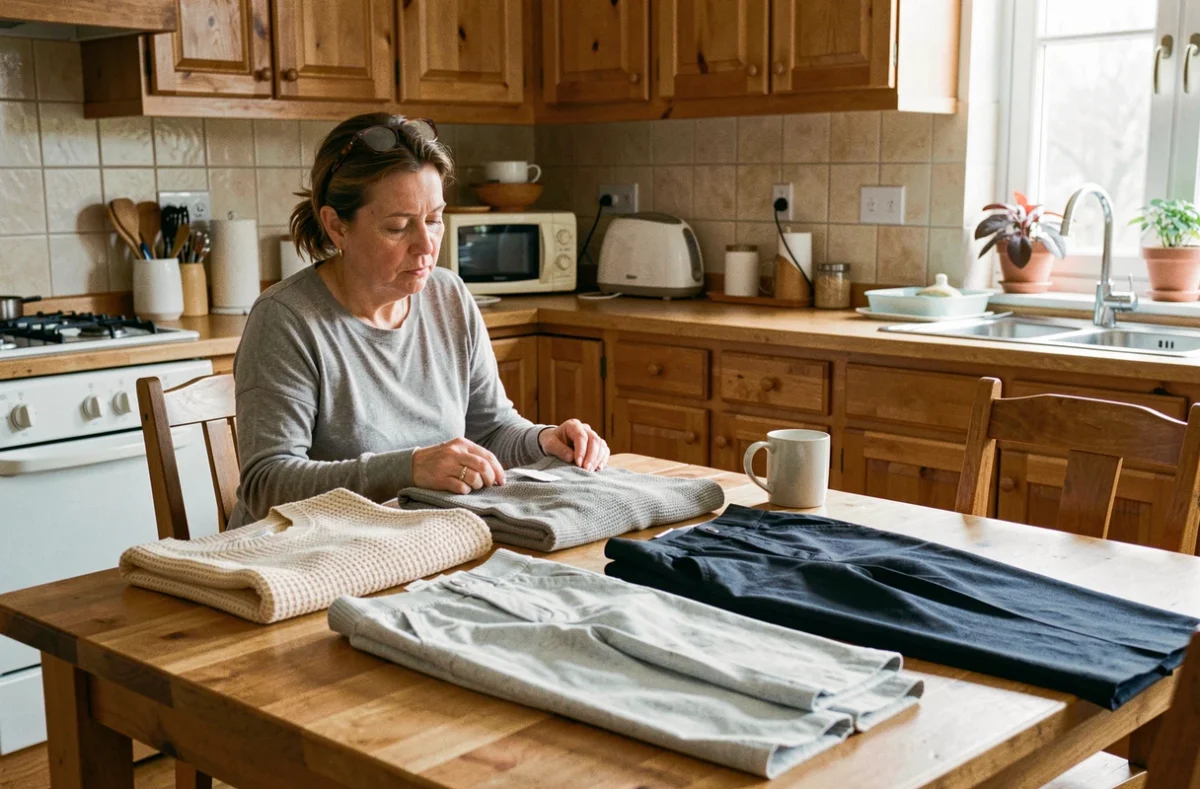
The brand’s published return policy indirectly affects customers’ ability to assess quality over time. Returned items must be unused and in good condition. A garment that has already been worn or washed therefore cannot be returned, even if defects appear after the first wash.
The process also requires prior authorization, excludes certain product categories, and makes the buyer responsible for return shipping costs. The address on the parcel received may not be the correct one to use for returns, adding another step to the process. Direct exchanges are not available: customers must return the product, wait for a refund, and then place a new order.
These conditions create a bias in published reviews. Customers who notice a problem after a few weeks have no easy recourse. Those who keep the garment by default do not necessarily leave a review, which skews the representativeness of the feedback available.
The refund process, according to a French customer review
A case documented on the SignalConso platform illustrates how difficult the process can be. The customer describes waiting more than a month for delivery, then several more weeks to receive a refund. Neither phone calls nor emails reached customer service. The refund was issued only after the issue was reported to SignalConso.
This account does not establish a general rule for all Noracora orders. It does, however, show that the after-sales process can be lengthy, further discouraging customers from trying to return an item that has been worn or used.
Noracora and Chinese fast fashion: what the photos don’t show
Reviews in German and English point to a recurring problem: the gap between the photos on the website and the product received. Several customers describe garments whose colors, cuts, or finishes do not match the online images. One customer on Trustindex says the clothes she received seem impossible to wear and that she plans to send them straight for textile recycling.
This kind of feedback says nothing about durability, but it raises a more basic question: if the appearance is already disappointing on arrival, assessing how well the garment holds up after a year becomes secondary. The customers who get past this first hurdle and keep their items would be the most useful sources of long-term feedback, but their voices are missing from review platforms.
Made in China and shipping: known limitations
Noracora manufactures in China and ships most orders from there, although a warehouse in the United States handles some orders. This logistics setup has several practical implications for assessing quality:
- Return shipping to China can cost more than the item itself, making returns economically pointless for low-priced pieces.
- Long delivery times (sometimes more than a month, according to customer reviews) make it harder to assess quality, since the claim window may have expired before the garment has even been tested.
- The lack of physical stores prevents customers from checking the fabric, seams, or fit before buying.
Assessing fabric quality without manufacturer data: a few pointers
Without technical sheets from Noracora, customers looking to predict the durability of a garment ordered online can rely on a few indirect indicators.
- Check the fabric composition on the label when the item arrives: a high proportion of low-grade polyester generally starts to pill after just a few washes.
- Photograph the garment when it arrives and again after five washes to document changes in color, seams, and overall shape.
- Check reviews by date: a review posted several months after purchase is more useful than immediate feedback about delivery.
- Consider the implied price per meter of fabric: an item sold at a very low price for its size leaves little room for durable fabric.
Noracora publishes no data that would allow customers to compare a garment’s condition after one year with its original appearance. Review platforms do not fill this gap, since feedback focuses on the purchase and return process.
For customers looking for durable clothing, the complete lack of quality traceability is a warning sign in itself. Until the brand or independent third parties document how these textiles actually age, the question raised in this article’s title will remain unanswered by verifiable evidence.