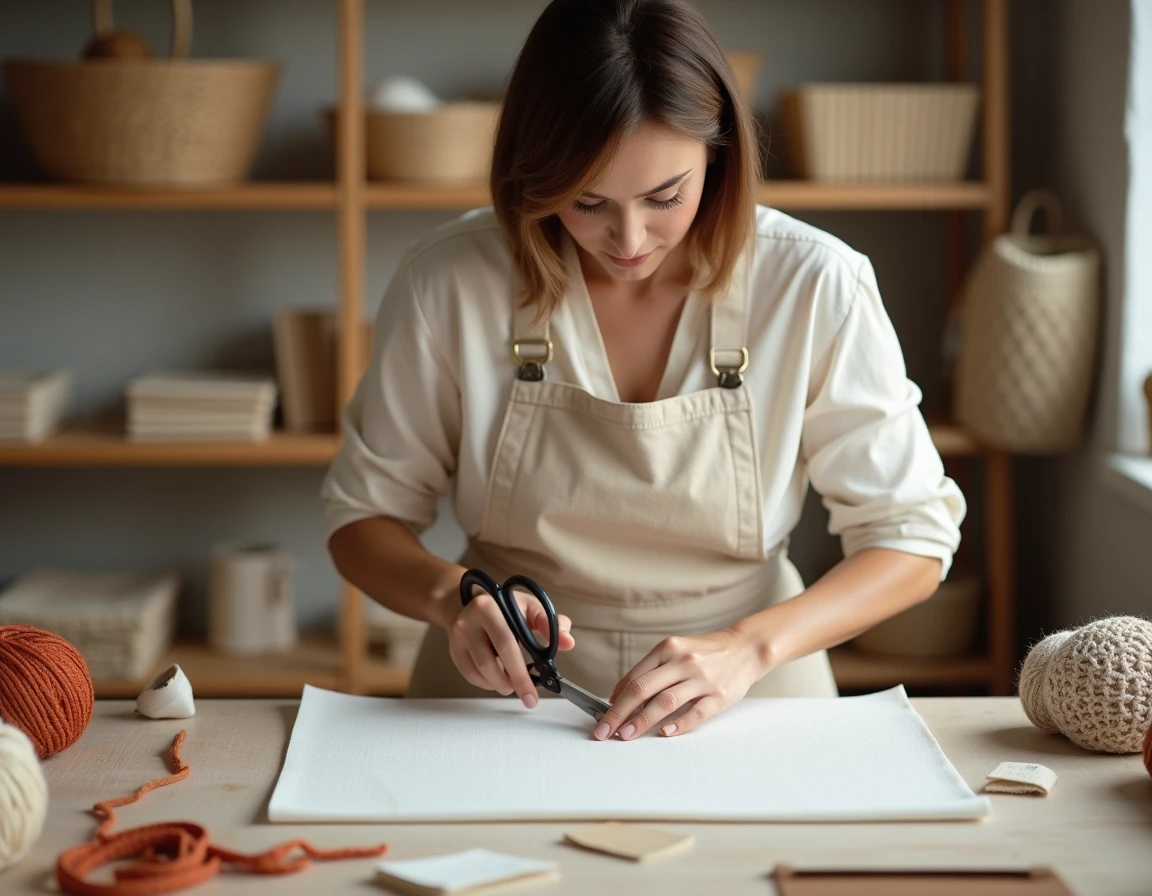
A crochet bag that loses its shape as soon as you slip in a book or a wallet poses a problem with the structure of the bottom. Several materials and methods can create a rigid bottom, but their effectiveness varies depending on the yarn used, the size of the hook, and the type of load the bag must support. Comparing these options based on measurable criteria helps to choose the right solution for each project.
Comparison of Materials for Rigid Crochet Bag Bottom
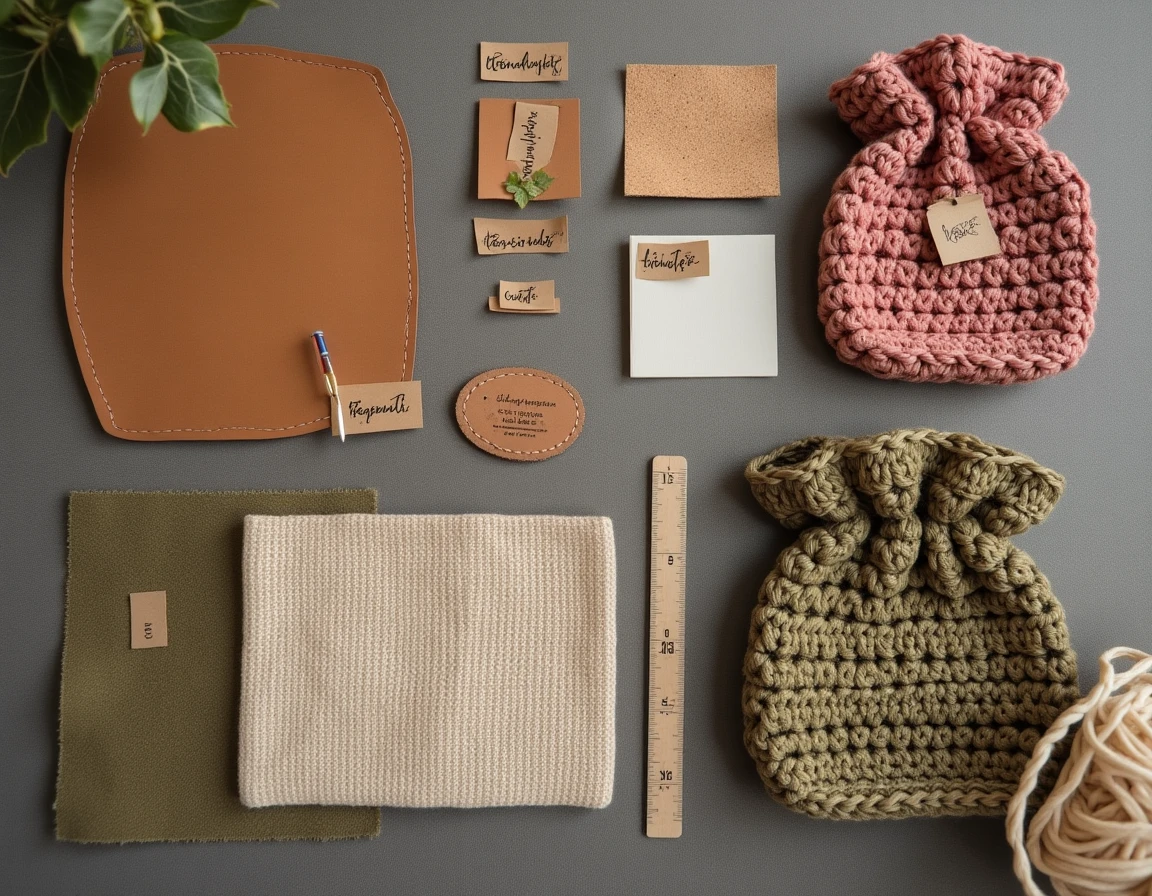
The choice of reinforcing material determines the hold, weight, and durability of the bottom. Here is a comparison of the main options available, ranked by their rigidity, ease of implementation, and compatibility with crochet.
| Material | Rigidity | Weight | Attachment | Washability |
|---|---|---|---|---|
| Thick cardboard / laminated cardboard | High | Light | Inserted into a lining | Not washable |
| Cut plastic (Dymondwood type, soft sole) | High | Light to medium | Inserted or rivets | Washable |
| Thermoadhesive canvas / rigid interfacing | Medium to high | Light | Thermo-adhesion or sewing | Depends on the product |
| Thick felt | Medium | Light | Sewing | Cold washable |
| EVA foam / craft foam | Medium | Very light | Gluing or insertion | Washable |
Cardboard offers the best rigidity for almost no cost, but it does not withstand moisture. Cut plastic is water-resistant and is fixed with rivets, a more durable method than simple gluing or sewing. Thermoadhesive canvas represents an interesting compromise for medium-sized bags: it is fixed with an iron onto a lining fabric before assembly.
To delve deeper into the techniques and materials for crochet bag bottoms, the question of the attachment method deserves as much attention as the choice of the material itself.
Hook Size and Stitch Density: The Often Overlooked Technical Lever
Articles on stiffening crochet bags focus on materials added after production. However, an upstream factor changes the game: the hook size directly modifies the rigidity of the resulting fabric.
A hook smaller than the one recommended for a given yarn produces tight stitches and a compact fabric. The bottom of the bag gains in hold without the addition of reinforcement. Conversely, a hook that is too large creates a loose mesh that collapses under the slightest weight.
Adapting the Hook to the Yarn for the Bottom
There is no obligation to use the same hook for the bottom and for the sides of the bag. Going down one or two hook sizes on the bottom rows, then returning to the standard size for the walls, allows for a naturally denser bottom without weighing down the whole.
This approach works particularly well with recycled jersey yarn (trapilho), which already has a natural thickness. Tight-crocheted trapilho gives a fabric sufficiently rigid to support everyday items without additional inserts. Its limit appears with heavy loads or large formats, where internal reinforcement remains necessary.
Attachment by Rivets or Sewing: Two Logics of Durability
Once the bottom material is chosen, the attachment method conditions the longevity of the structure. Two approaches dominate, and they are not equal depending on the intended use.
Sewing on Fabric Lining
The most common method involves sewing the rigid reinforcement (canvas, felt, soft plastic) onto a lining fabric, then assembling this lining inside the crocheted bag. Sewing distributes the tension over a wide surface.
- Thick cotton lining: holds up well to machine sewing and offers a stable surface to fix the reinforcement with regular stitches
- Polyester lining: lighter, but slips more under the needle, complicating the attachment of a rigid insert
- Double layer of fabric: enclosing the reinforcement between two layers of lining protects it and prevents any direct friction with the crocheted yarn
Metal Rivets for Plastic Bottoms
Attachment by rivets goes through the plastic bottom and the crocheted fabric (or the lining) to create a permanent mechanical hold. This technique, common in leather goods, provides a level of stability that sewing alone does not guarantee on a thick rigid bottom.
Rivets prevent the bottom from slipping or moving during use, a common problem with inserts simply placed in the bag. Installation requires a rivet tool and rivets suitable for the total thickness (bottom + lining), usually of small diameter to avoid damaging the stitches.
Complete Bag Structure: Addressing the Bottom Without Forgetting the Stress Points
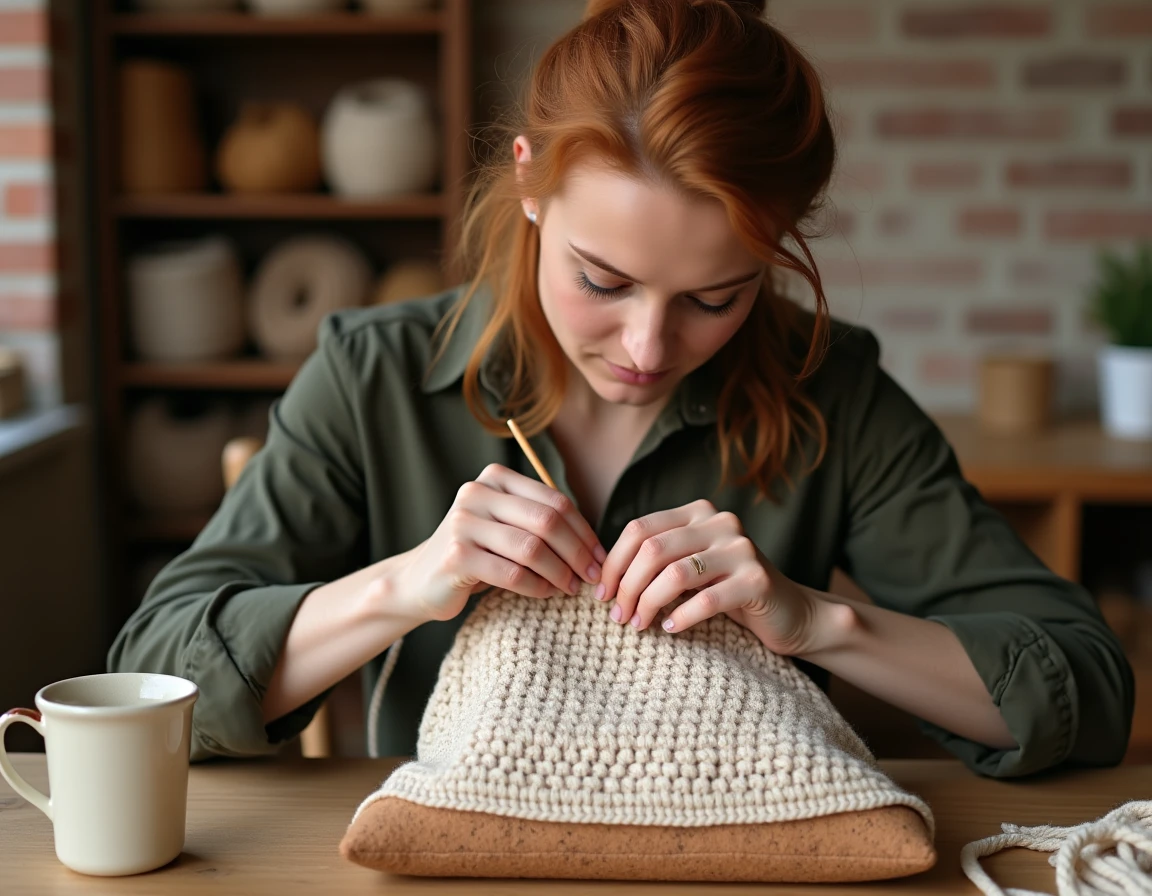
A rigid bottom is not enough if the handles pull on the walls and deform the top of the bag. The load is transmitted from the handles to the sides, then to the bottom. Reinforcing the handles reduces the deformation transmitted to the bottom.
Reinforcing the handles with cord or twisted macramé adds strength to the stress points without altering the appearance of the bag. This “complete structure” approach treats rigidity as a system, not as a local patch.
- Cotton cord inserted into the crocheted handle: stiffens the handle and limits stretching under load
- Metal rings between the handle and the body of the bag: distribute the pull over a wider area and protect the stitches at the attachment point
- Lateral reinforcement with a strip of thermoadhesive canvas on the first rows above the bottom: prevents the sides from flaring when the bag is loaded
Addressing the handles, the bottom, and the junctions between these areas produces a bag that retains its shape over time. A plastic bottom fixed by rivets, combined with handles reinforced with cord and sides supported by partial interfacing, constitutes the most durable configuration for a crochet bag intended for daily use.
The choice of bottom material remains a technical decision dictated by use: cardboard for a decorative bag that won’t get wet, plastic or EVA foam for a washable functional bag. Rivet attachment surpasses sewing in longevity for thick bottoms. Adapting the hook size on the bottom rows remains the simplest and least expensive action to gain rigidity even before adding an insert.